About Mackenzie
Storyteller | Facilitator | Speaker
Land Acknowledgement
I am grateful to live, write, and facilitate on the unceded, ancestral lands of the Syilx/Okanagan Nation. I honour the Syilx people’s deep and ongoing relationship with these lands and waters and recognize my responsibility to listen, learn, strengthen relationships, and care for the places where I live, work, and gather.
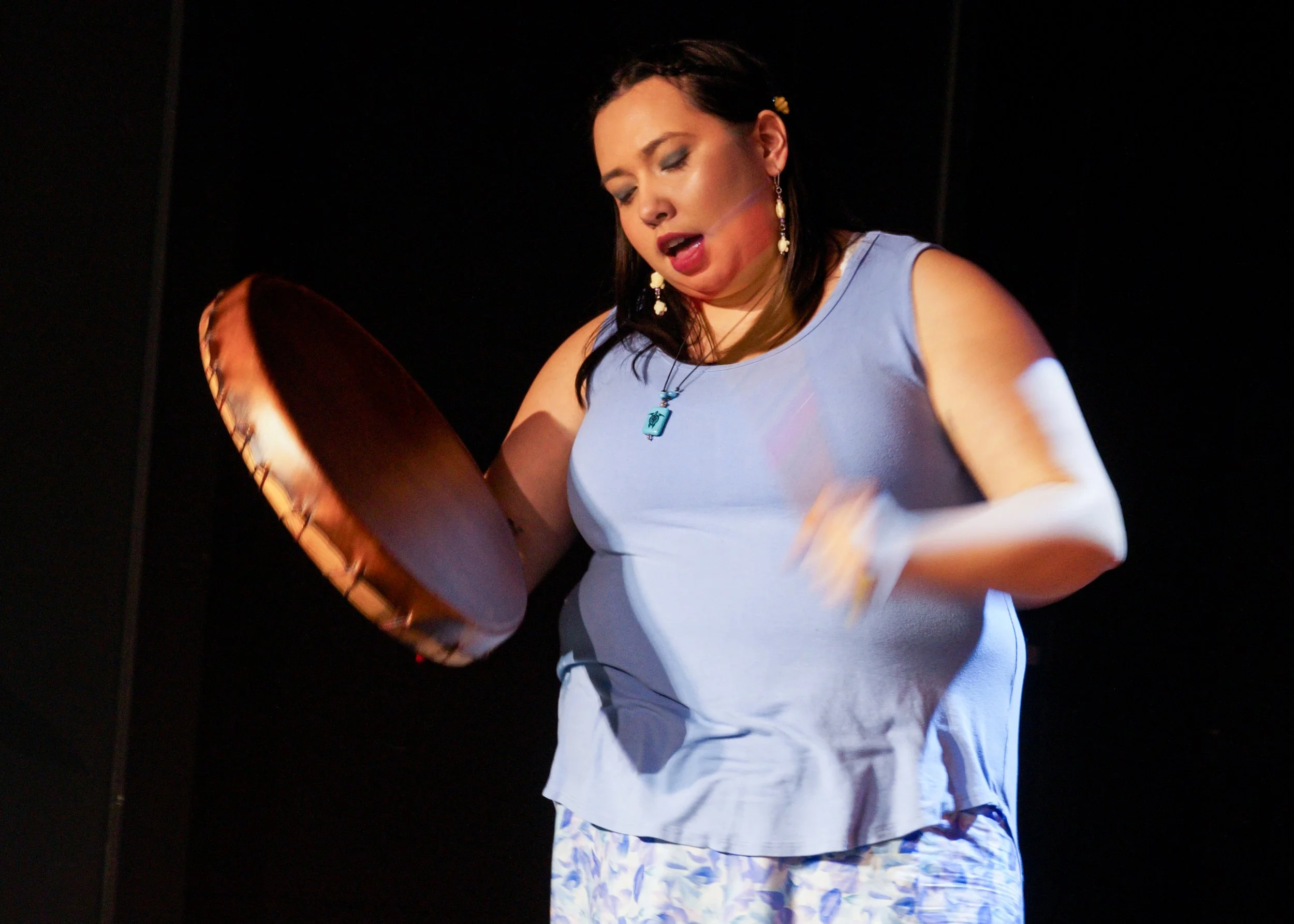
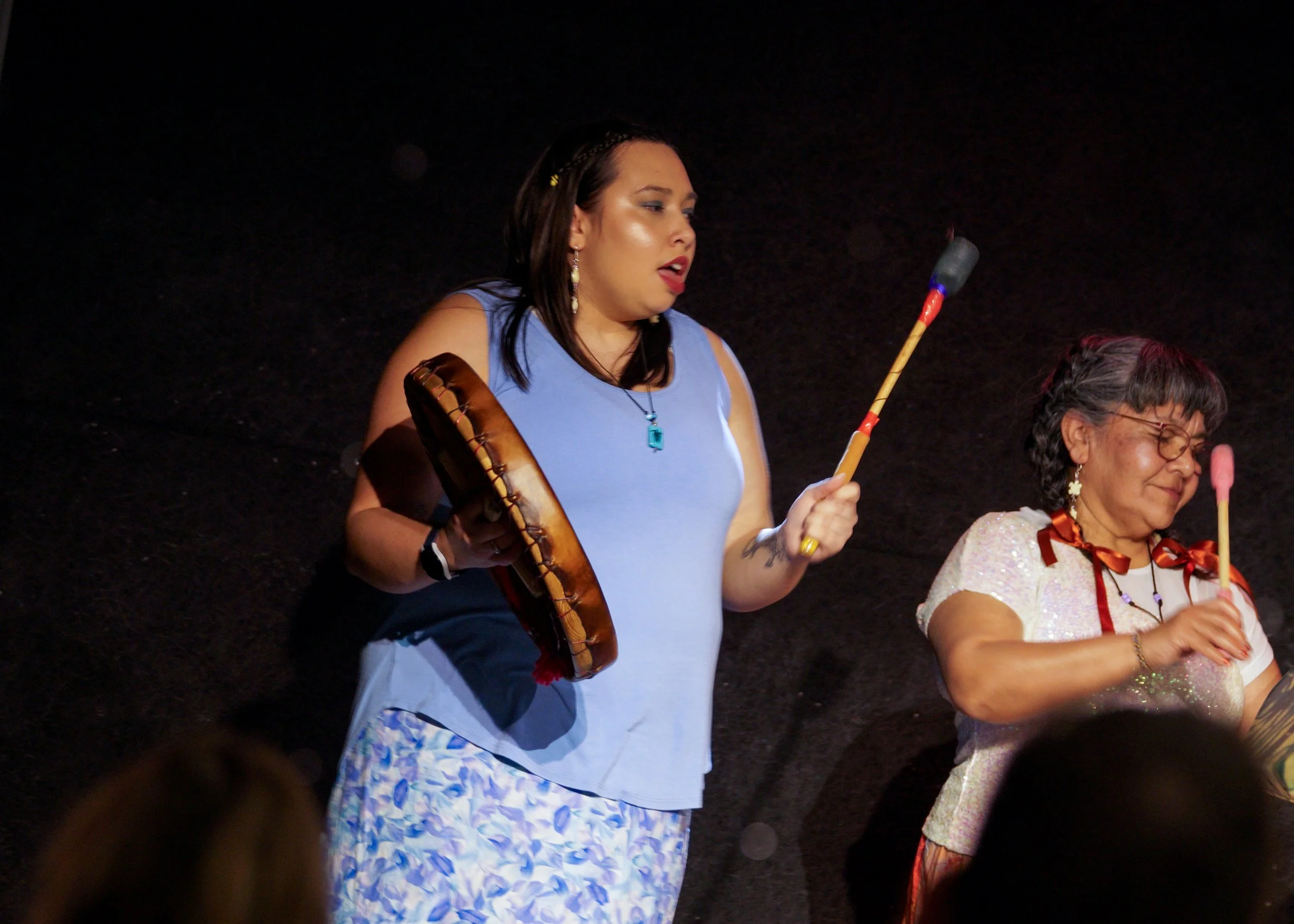
My practice is shaped by Cree, Saulteaux, and Syilx teachings, as well as by the Elders, Knowledge Keepers, community leaders, and educators who have shared their wisdom with me. I give thanks for the relationships formed through NAIITS: An Indigenous Learning Community, UBC Okanagan, Ki-Low-Na Friendship Society, Métis Community Services Society of BC, and the Women of Turtle Island drumming circle.
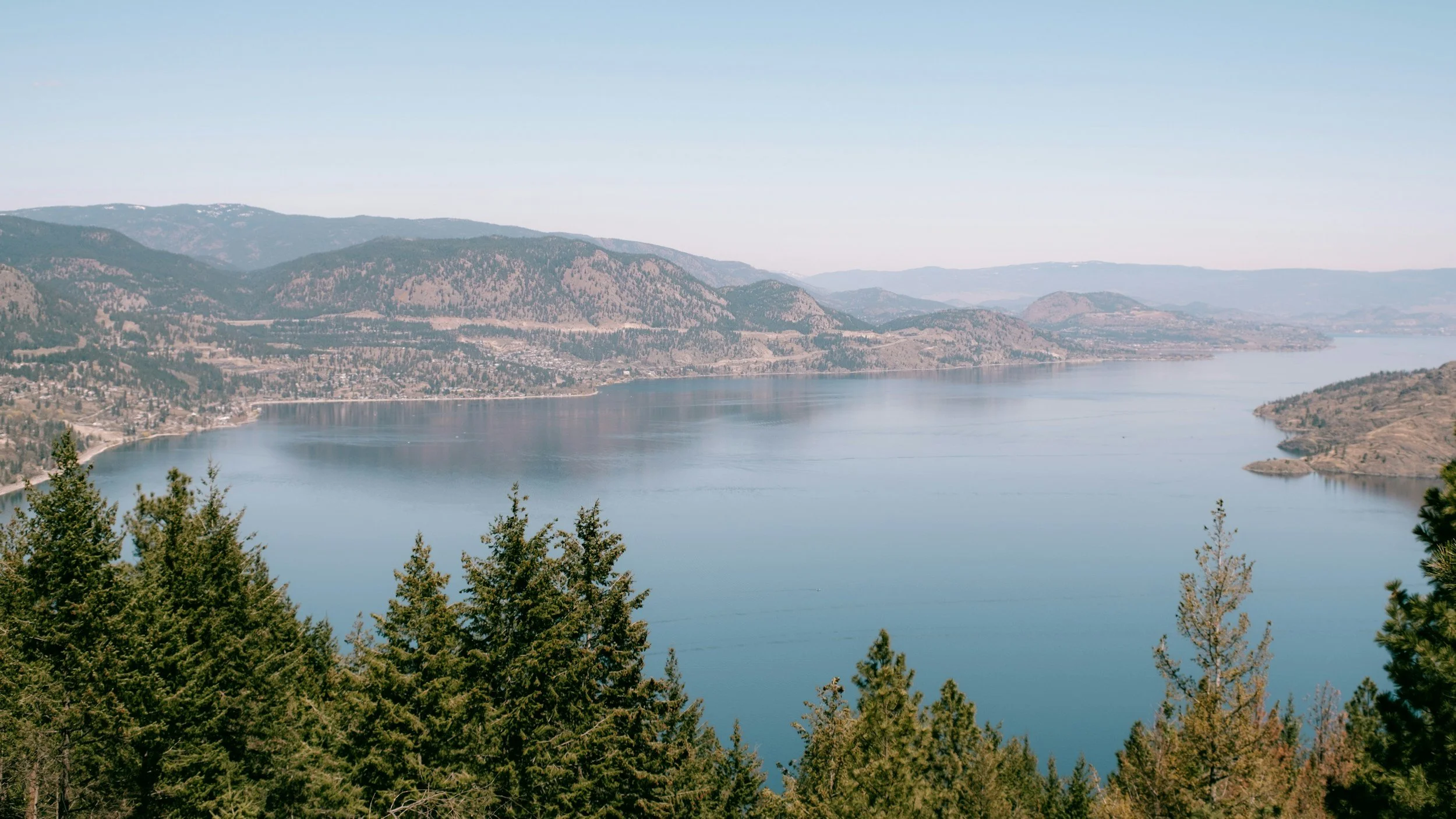
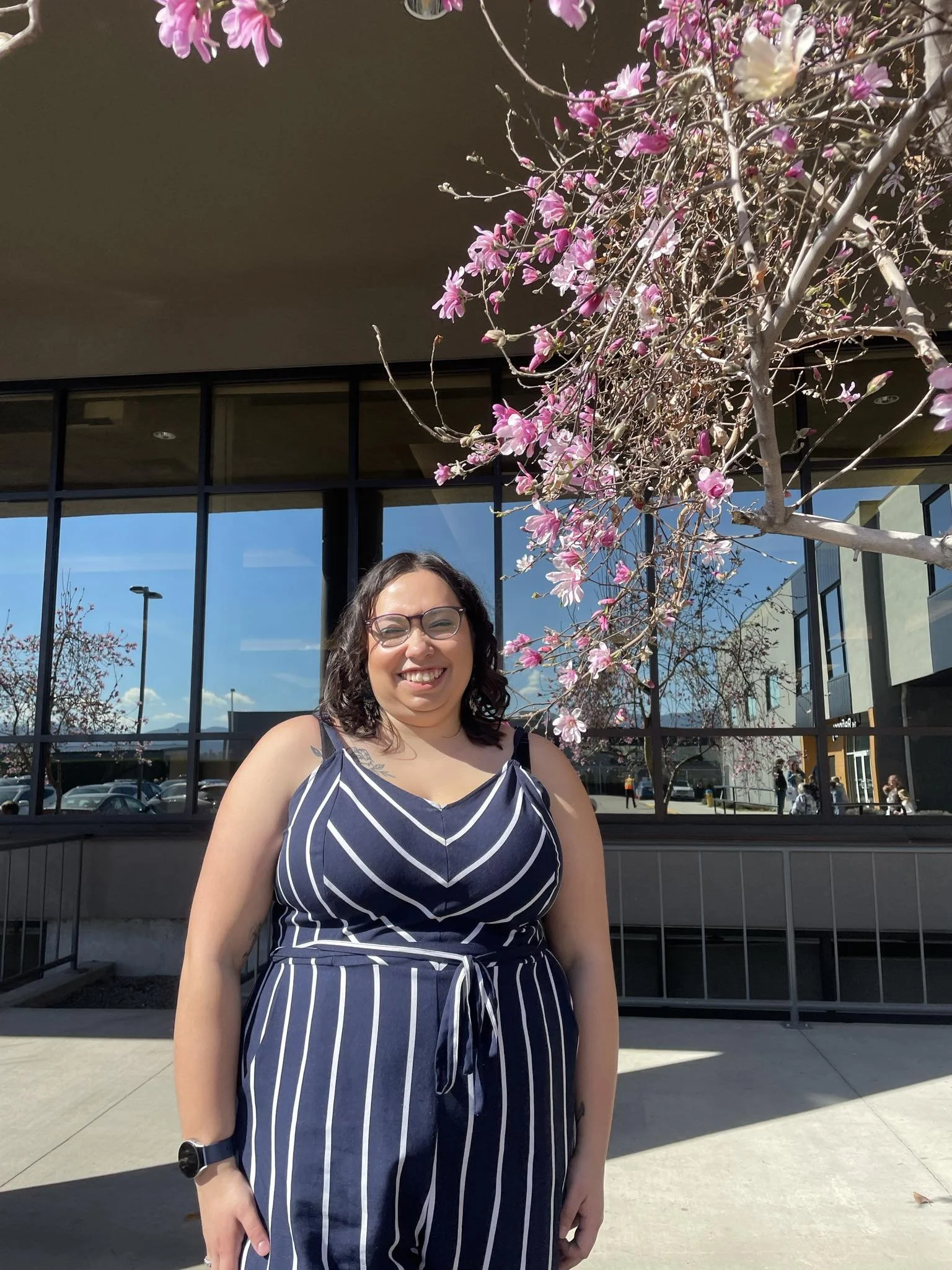
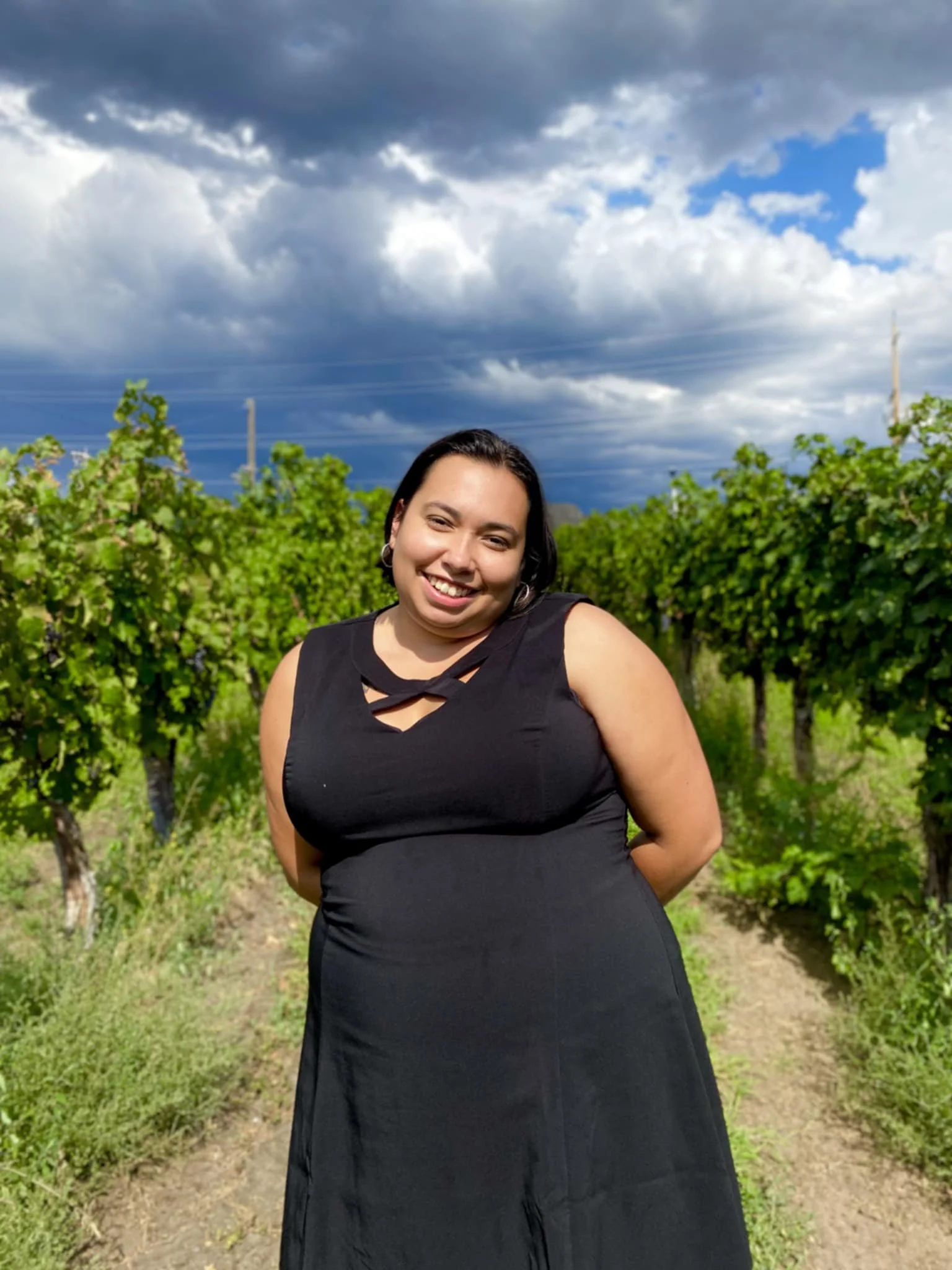
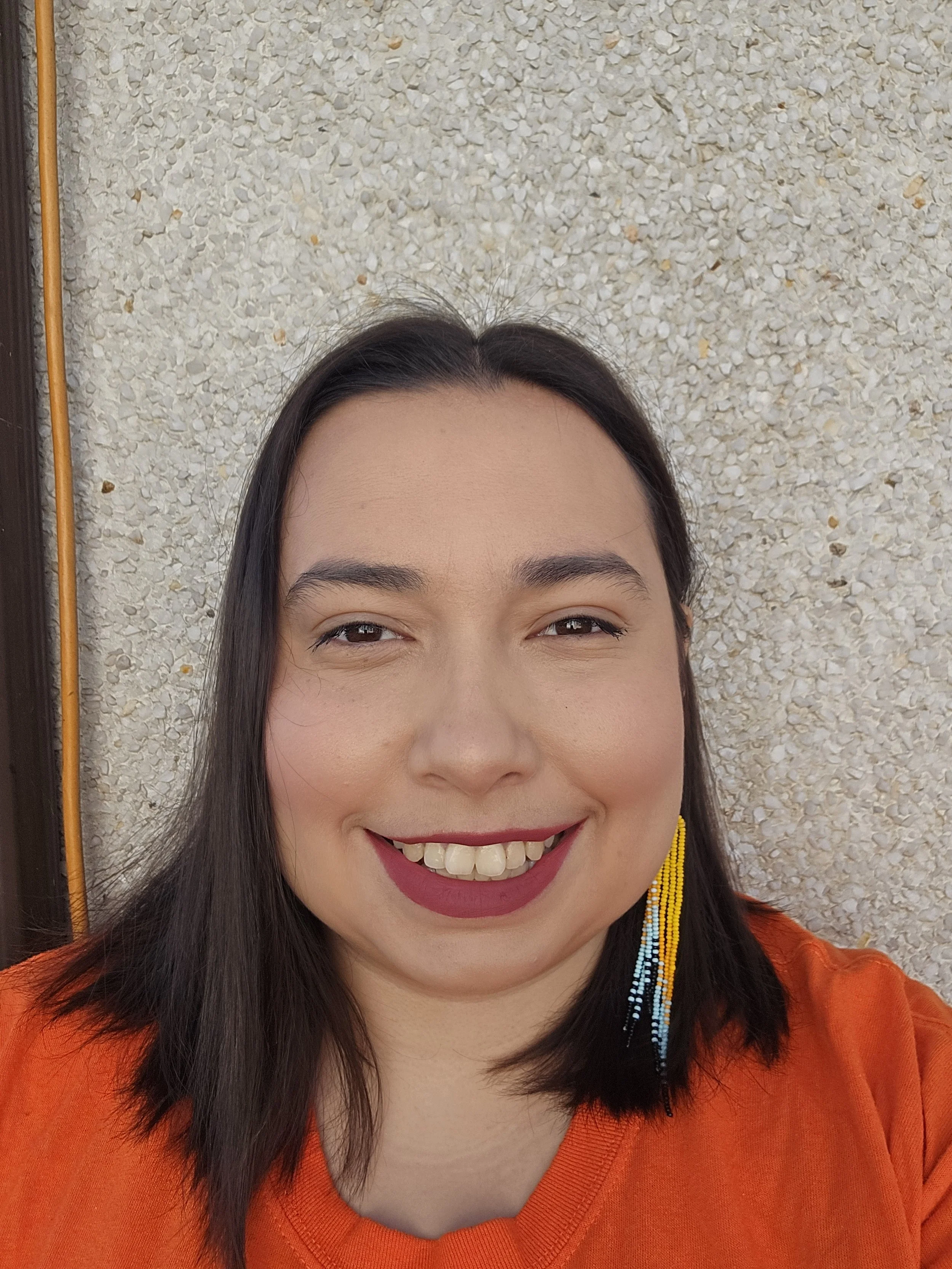
My name is Mackenzie Griffin. I am nêhiyaw (Cree) and Nakawē (Saulteaux) on my mother’s side, from Sunchild First Nation, with Scottish ancestry on both sides of my family and English ancestry on my father’s. I grew up off-reserve in Treaty 6 territory near Fort Assiniboine and Barrhead, Alberta. I now live and work on the unceded, traditional, and ancestral lands of the Syilx/Okanagan Nation in Kelowna, British Columbia.
I hold a Bachelor of Arts in Creative Writing and Cultural Studies from the University of British Columbia Okanagan (2022) and a Master of Theology from NAIITS: An Indigenous Learning Community (2025).
Who I Am
“You sit between the pews.”
Much of my work has been shaped by learning to inhabit spaces that are not always easy to define. Growing up disconnected from my First Nation community, studying theology at an Indigenous seminary, and exploring the connection to reconciliation as more than a checklist, but a relational way of being, has placed me on the margins of many spaces. I am constantly wrestling with what it means to be Christian and what it means to be Indigenous and how I can do that well.
A mentor once said to me, “Mackenzie, you sit between the pews.” He meant that I represented the perspectives of those who don’t quite fit within Western Christian spaces, but that I was a bridge-builder drawing people back into community. That image has stayed with me.
Over time, I came to see that sitting between the pews wasn’t just about a church building. It named a way of being in the world where circles became the places where I wrestled with who the world said I was and who I was learning to become. That image of liminality gave rise to what I now call Songs of the Between.
What Is Songs of the Between?

Songs of the Between is an invitation to participate in the work of becoming better relatives.
Each person carries a song: their own story, experiences, questions, gifts, and ways of knowing. When those songs enter into conversation with one another, they become part of a shared web of interconnection.
Songs of the Between creates gathering places to listen to the songs within our hearts and among our relatives, inviting us to discern our part in the ongoing journey of truth-telling, reciprocity and repair.
One image that shapes this vision comes from Ezekiel 47, where a river flows from a heavenly temple, transforming the Dead Sea into freshwater where animals can drink freely, and plant life flourishes along its banks. Twelve trees bear good fruit, and their leaves heal the nations with good medicine. Ezekiel wades in little by little. First the water touches his ankles, then his knees and waist until finally he is swept up in the current.
Songs of the Between invites you to join the river.
Join the circle and sing your song.
Not because it is complete, but precisely because it is unfinished. No single voice carries the entire story of becoming better relatives. We bring our songs into relationship with one another, accompanying each other as we enter the river.
The river may carry us through places that feel dry, barren, and full of death. Yet it is here, in these liminal and uncomfortable spaces, that we find one another and learn to belong.
It is in the songs of the between that we practice becoming.
My Vision
To cultivate spaces where people can become better relatives—to Creator, Creation, self, and one another—through story, embodied learning, truth-telling, and repair.
Creator
Creation
One Another
Self

Preparing the Table: Hosting as a Practice of Facilitation
I understand facilitation as a form of hosting. A host prepares and tends a space for shared learning, belonging, and connection. Whether we gather on the land, online, in circle, or around a boardroom table, I attend to the relationships and rhythms that allow kinship and embodied learning to grow.
Four guiding commitments shape how I host and facilitate these spaces.
1. Land and story are teachers
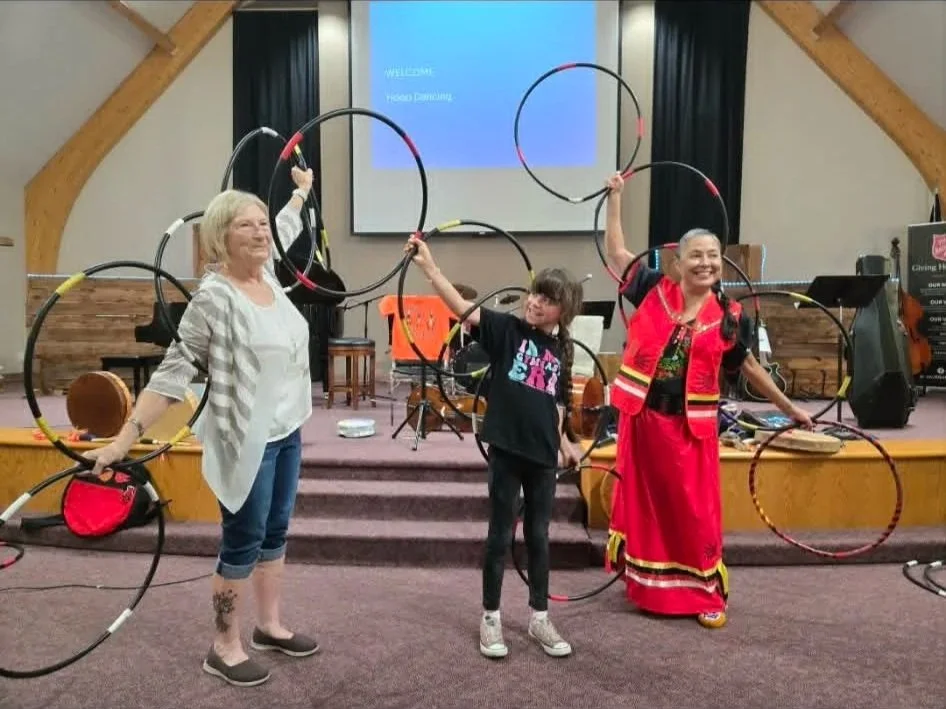
Land and story are sources of knowledge and deep wisdom. I implement a mix of land-based learning, oral and written storytelling, poetry, hand drumming, and shared conversation. I invite people to locate themselves within place, memory and experience and listen for the wisdom held in all our relatives.
2. People gather and learn in circle
Circle is more than a way of gathering or a physical orientation. It recognizes that wisdom emerges through the experiences, questions, and ways of knowing that each person brings to the learning process. Circles cultivate conditions for shared learning when participants engage with openness, honesty, and care.
3. People and communities carry gifts and strengths
Indigenous asset-based community development begins by noticing the inherent value within each person and the strengths already present in community. I help participants recognize these strengths and consider what community looks like at its best. Difficult realities and hard truths are held alongside the wisdom and capacity already present, creating space for accountability, creativity, shared action, and hope.
4. Becoming better relatives is an ongoing practice of reorientation
The work of truth and reconciliation is an ongoing journey of truth, justice, and repair. Reorientation invites people to notice where relationships need attention and to return, again and again, to practices of balance, harmony, and wholeness.
Because this work can be difficult and demanding, I help participants cultivate healthy rhythms of action, reflection, rest, and renewal while listening to their bodies and to one another. Through this process, individuals and communities explore what it means to live in right relationship with Creator, self, other people, and the more-than-human world.
Who I Work With & Alongside
I work with and alongside individuals and communities seeking to ground reconciliation in relationship and shared action. Each partnership begins by listening to story, recognizing strengths and priorities, and discerning pathways for meaningful, sustained engagement.
-
Individuals
People across identities and backgrounds—including Indigenous people, settlers, and newcomers—seeking to deepen their understanding of relationship, responsibility, and place.
-
Faith Communities
Churches and faith-based communities exploring reconciliation, Indigenous–settler relations, and what it means to live in right relationship.
-
Organizations, Workplaces & Educational Institutions
Nonprofits, businesses, community organizations, workplaces, schools, and post-secondary institutions seeking relational approaches to learning, leadership, community development, and reconciliation.
In Partnership with Red Clover
Songs of the Between is my personal creative and educational practice, developed in close relationship with Red Clover Initiatives. While I lead the storytelling, facilitation, and community work, Red Clover provides the administrative heartbeat—managing registrations, processing payments, and overseeing the stewardship of charitable gifts.
This partnership places my work within a wider commitment to reconciliation and accountable relationships. Together, we seek to connect story and practice with the shared goal of cultivating a world where all our relatives can thrive.
About Red Clover
Red Clover Initiatives grew from the soil of an urban farm in Vancouver’s Downtown Eastside. Named for a plant that heals the earth by drawing out toxins, the farm became a teacher in how to tend complex ecosystems and nurture the sacred conditions where people and communities can truly flourish.
Now an independent, faith-rooted non-profit, Red Clover works within the intricate landscape of Settler–Indigenous relations. Through consultation and training, the movement responds to the Calls to Action by honouring Indigenous leadership and attending to the unique “growing conditions” within every community and organization.
Work With Me
I offer learning opportunities, speaking engagements, and facilitation through Indigenous Appreciative Inquiry to help individuals and communities deepen relationships, engage in truth & reconciliation, and imagine practical ways to become better relatives together.
Explore Learning Opportunities ↗
Book Indigenous Appreciative Inquiry Session ↗
Invite Me to Speak ↗